The five-part docuseries “Thinking Like Water” will kick off this Thursday, Oct. 8, at the Liberty Theatre at 7 p.m.
The film series follows “water wizard” Bill Zeedyk and his collaborators as they work to restore meadows and streams by working with nature. The first film is titled “Willing to Try Things” and introduces Zeedyk’s low-tech, low-cost methods of induced meandering to repair degraded creeks and drainages in the Southwest.
The kickoff event will start with a highly-demanded second screening of “Reviving Our River - The Pagosa Gateway Project,” a short film by local filmmaker Christi Bode. The film chronicles the ambitious $1.5 million project to restore 2 miles of the San Juan River near Pagosa Springs, led by the Upper San Juan Watershed Enhancement Partnership (WEP).
We expect tickets to go fast, so reserve yours soon at pagosamovies.com/movies. The doors will open at 6:30 p.m.
The entirety of the series is sponsored by WEP, Audubon Rockies, San Juan Mountains Association, Chama Peak Land Alliance, Confluence Collective and the Biophilia Foundation.
The series, produced by Renea Roberts of Cerrillos, N.M., will be screened throughout the winter and early spring.
Each episode is guided by a different host, who travels with Zeedyk to different locations to highlight various techniques Zeedyk and other practitioners use in the field of low-tech process-based restoration (LTPBR).
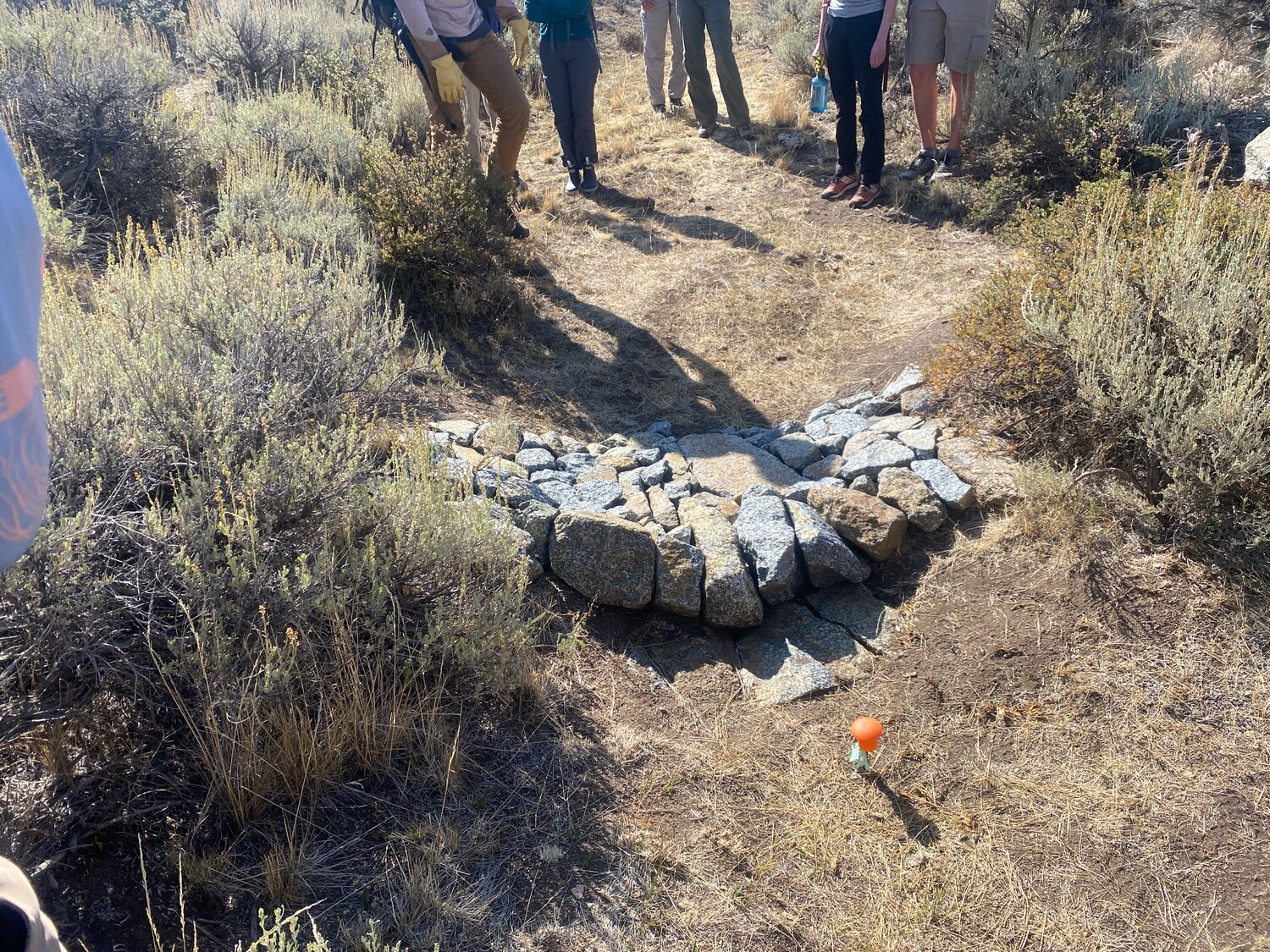
LTPBR is a cost-effective solution to restoring degraded streams and meadows that may have been damaged by various disturbances such as drought or flooding, using natural and local materials like rocks and logs.
Throughout the “Thinking Like Water” series, Zeedyk and his associates discuss the technique of “letting the water do the work.” The method uses the power of running water itself to induce water back to being level with the floodplain. Floodplain connectivity promotes drought and flood resilience of streams, wetlands and mesic meadows.
LTPBR is especially effective when installed in sloping wetlands in mountainous regions like those of the Upper San Juan River Basin. Water running through a sloping wetland has significant “stream power” (high erosional capacity), making it all the more fitting for LTPBR structures. Low-tech structures can assist in leveling a landscape, slowing the flow of erosional events, and allow the moisture to soak into the soils, effectively raising the level of the water table.
Storing water in wetlands then creates a positive feedback loop in which healthier wetlands and meadows hold yet more water. In fact, for every 1 percent increase in organic matter in soil, the landscape can hold 20,000 gallons more water per acre. More water means more vegetation, which helps prevent soil erosion and increases forage.
Learn more about the wide-ranging benefits of LTPBR and speak with local practitioners this Thursday.


 >
>